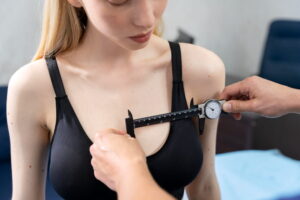
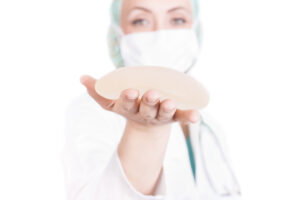
Breast enlargement through fat grafting is an increasingly noted procedure in cosmetic surgery. Adhering to the Australian Medical Guidelines, this comprehensive guide aims to deliver an in-depth understanding of this method, offering an objective perspective on its processes, outcomes, and considerations.
Exploring Fat Grafting for Breast Enlargement
Known as autologous fat transfer, this technique involves transferring fat from one area of the patient’s body – often the abdomen, hips, or thighs – to their breasts. This procedure stands as an alternative to traditional breast implants.
Understanding the Procedure
Performed under general anaesthesia, the fat grafting process includes two primary stages: fat harvesting and fat injection.
Fat Harvesting: Involves liposuction, where fat is removed from designated areas of the body. This step requires precision to ensure the viability of the fat cells for transfer.
Fat Processing and Injection: Once harvested, the fat is processed and purified. It’s then carefully injected into the breast area, aiming to enhance breast size and shape.
Objective Overview of Fat Grafting
Potential Outcomes: This procedure utilises your body fat and yields a different feel and appearance than implants. Individual results, however, may vary based on factors like body response and fat viability.
Invasiveness and Recovery: Though potentially involving smaller incisions than traditional implants, the procedure still carries typical surgical risks and recovery times. Recovery experiences can vary, with most patients needing time off work and normal activities.
Dual Benefit of the Procedure: Apart from enlarging the breasts, fat grafting can contour the donor area. The extent of contouring and breast enlargement depends on individual factors, including the amount of available donor fat and how the body adapts to these changes.
Limitations of Size Enhancement: Generally, fat grafting provides a moderate increase in breast size. The procedure may not be suitable for those seeking a significant increase.
Fat Absorption Considerations: There’s a possibility that some of the transferred fat may not survive, which could affect the final breast volume. Understanding this aspect is crucial for setting realistic expectations.
Multiple Procedures for Desired Outcome: Achieving the desired breast size may require more than one session of fat grafting, depending on individual circumstances and goals.
Adherence to Australian Medical Guidelines
In Australia, a qualified and registered plastic surgeon must perform this procedure. The guidelines emphasise informed consent, with patients being fully aware of the procedure’s benefits, risks, and potential outcomes. You must attend a pre-operative consultation with your surgeon so you can assess your suitability for the procedure and set realistic expectations.
Risks and Complications
As with any surgical procedure, fat grafting for breast enlargement has its risks. These include:
- Infection and Scarring: Though typically minimal, infection risks and scarring are possible.
- Uneven Results: There’s a possibility of uneven fat distribution, leading to asymmetry.
- Fat Necrosis: In rare cases, the transferred fat may harden, known as fat necrosis.
- Changes in Breast Sensation: Some patients may experience changes in breast or nipple sensation post-procedure.
The Importance of Medical Consultation
Choosing to undergo fat grafting for breast enlargement should be based on a thorough consultation with a board-certified plastic surgeon. This consultation should cover:
- Health Evaluation: Discuss your overall health to assess suitability for the procedure.
- Exploring Expectations: Understand your aesthetic goals and discuss the extent to which they can be achieved with fat grafting.
- Risks and Benefits: Ensure you clearly understand what the procedure involves, including potential risks and benefits.
Making an Informed Decision
Making an informed decision about breast enlargement via fat grafting is pivotal. This includes weighing the pros and cons, understanding the limitations, and considering the need for potentially multiple procedures.
Understanding Breast Augmentation and Fat Grafting
Fat grafting for breast enlargement offers an alternative to traditional implants, with unique benefits and considerations. It’s essential to understand the entire procedure, including its limitations and risks. Consulting with a qualified plastic surgeon will aid in making a decision that aligns with your personal health and aesthetic objectives.
FAQs
- How long does the fat grafting effect last? The results can be long-lasting, but some fat may be reabsorbed over time. Periodic follow-ups and possibly touch-up procedures may be needed.
- Is the procedure painful? You may experience discomfort and swelling in both the donor and recipient areas, but this is typically manageable with medication.
- Can anyone undergo fat grafting for breast enlargement? Ideal candidates are those with sufficient donor fat and realistic expectations. Your surgeon will evaluate your health and medical history to determine suitability.
References
- Australian Society of Plastic Surgeons. (2023). “Fat Grafting for Breast Enlargement Guidelines”.
- International Society of Aesthetic Plastic Surgery. (2023). “Autologous Fat Transfer: Techniques and Outcomes”.