Defining Breast Augmentation
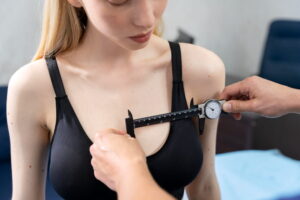
Breast augmentation is a surgical procedure that may involve the use of implants or fat transfer to change breast size. This procedure can address various concerns, from restoring volume lost post-pregnancy or after significant weight loss to achieving a more rounded breast shape or correcting asymmetry. It’s crucial to understand that individual outcomes can vary widely.
Exploring Types of Breast Implants
Implants come in different types, each with unique features:
- Saline Implants: These implants are filled with sterile salt water and can be adjusted for firmness, shape, and feel. They’re known for their safety profile, as the body can absorb saline harmlessly in case of a rupture.
- Silicone Implants: Filled with silicone gel, these implants are favoured for their natural feel. They require regular monitoring to detect any potential leakage or rupture.
Fat Transfer Breast Augmentation
An alternative to implants, this technique involves harvesting fat through liposuction from different parts of the body and injecting it into the breasts. This method is viewed as less invasive, offering a more natural but typically more subtle enhancement compared to implants.
The Surgical Process and Recovery
The Procedure: The surgery involves making incisions in inconspicuous areas to minimise visible scarring. Depending on the type of augmentation, breast implants are inserted either under the pectoral muscle or directly behind the breast tissue.
Recovery Phase: Post-surgery, patients can expect to experience swelling and soreness. Recovery times can vary, but most individuals can resume normal activities within a week, depending on the nature of their job. Full recovery and the settling of implants may take several weeks to months.
Risks and Considerations
Breast augmentation, like all surgical procedures, carries certain risks. These include but are not limited to infection, changes in nipple or breast sensation, implant leakage or rupture, and scarring. Each patient must have a comprehensive consultation with a board-certified plastic surgeon to fully understand these risks in the context of their health and body.
Adhering to Australian Medical Guidelines
Stringent guidelines govern the procedure in Australia to ensure patient safety and procedure efficacy. This includes:
- Age Restrictions: Specific age requirements are set for saline and silicone implants.
- Mandatory Consultations and Cooling-Off Periods: To promote informed decision-making.
- Strict Standards for Surgical Procedures and Aftercare: Ensuring high-quality care and patient safety.
Post-Operative Care and Long-Term Considerations
Following surgery, adhere to post-operative care instructions provided by your surgeon. This includes caring for incision sites, understanding signs of potential complications, and knowing when to seek medical advice. Long-term considerations involve check-ups, especially for silicone implants, to ensure their integrity and promptly address complications.
Making an Informed Decision
Breast augmentation offers physical changes that can be significant for many, but it’s essential to approach this decision with realistic expectations and thorough understanding. You should consider factors like lifestyle, body type, and long-term maintenance. A detailed consultation with a qualified and experienced plastic surgeon such as Dr Hamilton is critical. They can provide personalised advice, discuss what to expect, and help you make an informed choice.
Understanding Your Options With Breast Augmentation
Breast augmentation can change one’s physical appearance and potentially impact one’s self-perception. However, it’s crucial to have realistic expectations, understand the risks, and choose a qualified plastic surgeon. Following post-operative care instructions and attending follow-up appointments are essential for achieving the safest and most effective results.
FAQ
While breast implants don’t have an expiration date, they are not considered lifetime devices. The average lifespan of a breast implant is around 10-15 years.
Most women are able to breastfeed after breast augmentation. However, certain types of incisions and placements may reduce the likelihood.
Pain and discomfort are common after the surgery, but this can be managed with pain relief medications.
References
- Australian Society of Plastic Surgeons. (2023). “Guidelines for Breast Augmentation”.
- International Society of Aesthetic Plastic Surgery. (2023). “Breast Augmentation: A Global Analysis”.